
Nova Clean Liverpool
Shop and retail deep cleaning
Shopfronts, sales floors and fitting rooms cleaned around trading hours.
Shop and retail deep cleaning in Liverpool for sales floors, shopfronts and overnight handovers
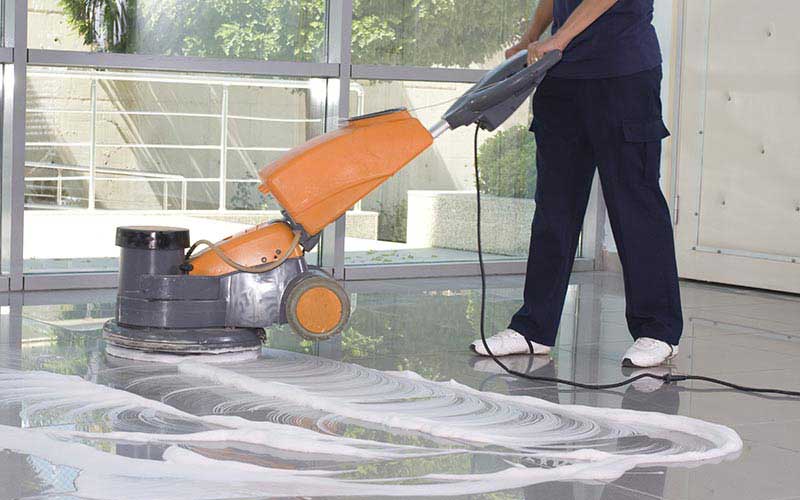
In a shop, a customer can see the entrance, the nearest display and a section of the floor before anyone has greeted them. Staff see a different side of the same premises. They notice the runners beneath a changing room door, the tile edges behind a counter and the dust that gathers beneath a low fixture that rarely moves. When both areas need attention, the quote should say exactly which parts of the shop can be accessed, which displays will stay in place and how much working time is available before trading resumes. Nova Clean Liverpool works with retailers and premises managers to scope this kind of one-off clean across the city and Merseyside.
Common reasons to book include taking over a unit, preparing for a merchandising change, cleaning after a busy season and dealing with areas the everyday schedule cannot reach. Explain what event has prompted the enquiry and how the premises are used. An empty shop awaiting fixtures needs a different schedule from a fashion concession with stock on display and a three-hour window after closing.
Map the sales floor by fixture type and access instead of floor area alone
A sales floor contains both open routes and confined spaces. The main aisle through a store may be easy to reach, but the bay beneath a display table may be barely wide enough for a tool. Permanent joinery can run alongside movable racks, and a fitted mat can meet hard flooring at a shallow edge. Identify which display units will be lifted, wheeled away by staff or left where they are. Make an outline of the fixture order if the store is being prepared for an overnight reset. When it is clear who moves stock and when the area becomes available, the cleaning team can plan work that fits the time instead of waiting for several sections to be released.
For a trial area or targeted clean, share photographs of the worst traffic lane, a threshold and the finish visible under ordinary shop lighting. Some marks show clearly after the overhead lights come on, while dull areas in a busy path can look more pronounced when the floor is damp. We discuss what appears to be removable and what may be wear, damage or an old finish. A floor check at reopening can be done from the customer route and then from the staff side of the shop, where different details are visible.
Scope internal glass, doorway details and the front of the shop
Front glass can be affected on the inside by fingerprints, handling during display changes and ordinary particles carried in near the door. The entrance area may include a glazed door, a fixed window, a metal channel, a stone threshold and a mat recessed into the floor. Confirm whether the brief includes each component and whether promoters, stickers or temporary graphics will be removed in advance. Check with the person who supplied them if adhesive remains on sensitive glass, applied film or painted framing. Old adhesive and a panel that has already been scratched take different decisions. An inspection helps avoid quoting the same treatment for both.
Exterior work should be discussed separately if the building has an upper pane, an awning or a pavement area shared with other traders. In a pedestrian area such as Church Street or around Liverpool ONE, the site contact may need to agree the permitted delivery or working slot in advance. For separate glass work, see our window cleaning service in Liverpool. If you manage an awning above the main entrance, our awning cleaning service can be assessed against the fabric, fittings and available access.
Agree how to handle till areas, fitting rooms and fixtures with stock
The counter below the card reader and the floor beside the queue can carry a surprising amount of soil even when the rest of the shop is light on footfall. Ask the duty manager to identify the surfaces that can be cleaned, which equipment will stay connected and whether any compartments are out of scope. Stock, paperwork and any items from the cash handling area should be removed or secured by the retailer in advance. We agree access, method and the position of fixtures, especially where equipment is wired through to the floor or a wall.
Fitting rooms can have lightweight curtains, painted MDF, mirrors and wall hooks all within a small footprint. When working to a detailed brief, include under-seat areas, ledges, floors and the exposed edges in each cubicle. Identify damaged brackets, markings on a mirror or paint that has rubbed away. That information is useful when staff carry out the handover inspection. A full-length mirror can look clean from the front and reveal smears at an angle under a directional spot. Where possible, inspect the room under the lighting used in normal trading.
Treat floor transitions and entrance matting as individual tasks
The busiest floor section in a store often follows a route between the entrance, main aisle and tills. Grit and damp can collect where the mat meets the sales floor, while compacted soil may be concentrated beside racks that are rarely moved. If a shop has vinyl or laminate through several display areas, give the installer’s care notes when available and point out lifted edges, joints or scratched sections. Polished stone, sealed timber and ceramic flooring may each need different treatment. Where the issue is an etched or worn stone surface, our marble polishing and restoration service can be discussed separately.
Check whether all affected areas can be left free until dry and whether people will need to cross them for a delivery or early stock preparation. Opening the shutter is only one deadline. Staff may arrive well before trading starts, and a keyholder may need to inspect the till area at an earlier point. The quote should specify the order of the work, where a floor can be reopened in stages and how any areas needing more time will be communicated to the duty manager.
Include the stockroom and staff areas if the reason for the visit extends past the sales floor
A stockroom that is constantly in use may have accessible sections behind reserve stock, between bays and in the area where boxes are opened. Shelf faces and floor edges in those sections may be more important than a broad sweep through the middle. Give the inventory team enough notice to release the routes that can be reached. Where goods have to be moved, identify what staff will handle and what can safely stay where it is. Keep the loading route and any facilities needed for the visit available at the agreed time.
Tea points, staff washrooms and lockers may be included if they are identified in the brief. A small service area can have a surprising number of surfaces and require time that could otherwise be allocated to a showroom. If the retail unit is in a mixed-use building, check who is responsible for shared stairs, a landing or a service corridor. Our building deep cleaning can be considered when the requested work reaches common areas under a different manager.
Use the trading schedule and delivery plan to choose the actual cleaning window
Confirm the start and finish of the booking in relation to more than the customer opening times. A unit may close at seven, but staff can need another hour for cashing up and deliveries may still be arriving at the service entrance. Some centres issue contractor instructions, permit equipment through a particular door and ask for the team to sign in at a separate office. On a high street, the closest legal unloading point may be some distance from the public entrance. Tell us the actual situation so working time and the route into the premises can be planned together.
If the clean will take place during refurbishment or during a switch between tenants, establish who controls the site and which tasks may still generate dust after the main clean. Share any care instructions for a new floor, a re-coated surface or freshly installed fittings. Where site work is still the main source of debris, our after builders cleaning service is the more relevant starting point. Discuss an inspection by the person handing the site over so ongoing building work can be distinguished from the cleaning scope.
Project examples for different kinds of Liverpool retail premises
A high street unit with a prominent storefront
A shop on Bold Street or Lord Street might need attention to front glass, the doorway floor and several fixtures formed around a narrow entrance. It can help to plan the front work first or last, depending on footfall and how the shop is being secured. Confirm whether the available access is through the public door or a secondary route. If delivery vehicles are expected early the next morning, ask the person managing them to confirm the position of the equipment and which area must be available first.
A retail park store with wide aisles and a separate goods entrance
A larger shop in Speke, Edge Lane or Aintree can have good access at the back and a very different working area at the front. Give a floor plan that shows wide central paths, display islands and the narrow perimeter. Indicate which entrances can be used for equipment and whether roller shutters need a separate keyholder. If the clean is part of a merchandising change, arrange for the team to know precisely when the old stock moves and when the new layout will begin.
A local independent showroom where surfaces are part of the display
A small showroom in the Baltic Triangle, Crosby or Allerton may have timber samples, polished surfaces, decorative fabric and retail fittings beside one another. List anything that must be kept dry or protected from direct contact and identify any loose stock that staff will remove. Allow enough time for the manager to see the cleaned surfaces before the showroom is dressed again. A few close images of the finishes can help assess whether different methods are needed within an area that appears simple from the doorway.
How the price of a retail deep clean is worked out
The amount of work is shaped by the size and arrangement of the premises, the extent of any built-up residue, how many detailed areas are involved and the availability of access. A large open zone with simple flooring can take less time to clean than a small shop with several fitting rooms, many display shelves and difficult movement out of hours. Different tasks can be set out separately in the quote, for example a sales floor clean, a shopfront glass assessment and a detailed stockroom visit. Send a few photographs and tell us which work must take place in the first available slot.
Ask how the finish will be checked and what will be reported if there is an unexpected defect, delay or area that cannot be released. A landlord, store manager and refit contractor may each have a different view of when the unit is ready. Agree one handover contact and record which services are included. That makes it easier for your team to compare quotations and to evaluate the result when the job is finished.
Use the handover to distinguish recent cleaning from repairs still to schedule
Before the first staff shift, walk the agreed route with the person who can accept the premises. Look at the entrance from the pavement and then from inside, check the corners that are visible from the tills and open a representative fitting room. Record anything that still needs a repair, such as a loose transition strip or a damaged mirror finish. If a locked area could not be reached, note who controls it and decide whether it should be included next time. A shared record is especially useful when managers rotate between branches.
Get a quote for a shop or showroom in Liverpool and Merseyside
Give us the postcode, the type of retail space, the areas in scope and the hours when they can be released. Tell us if you have a fixed opening date, a display move or a landlord inspection and share any instructions for loading and access.