Nova Clean Liverpool
Pigeon guano removal in Liverpool
Specialist removal of pigeon deposits from roof spaces, balconies and other affected areas.
NOVA CLEAN LIVERPOOL · MERSEYSIDE
Pigeon guano removal in Liverpool for balconies, lofts and heavily fouled buildings
An unused balcony, a loft entered by birds and a sheltered loading bay need different cleaning arrangements even when pigeon droppings are the main concern. NOVA CLEAN Liverpool discusses pigeon guano removal for homes, managed buildings and commercial premises across Liverpool and Merseyside, beginning with the extent of the deposits and the way people use the affected space. The objective is to agree a controlled intervention that addresses the contaminated material without confusing cleaning with roof repairs, pest management or changes to the building.
Tell us where the fouling is located, whether birds can still enter and whether anyone needs to pass through the area. A general photograph taken from a safe position can help describe the problem, but there is no need to enter a heavily affected loft or lean over a balcony to obtain a closer image. Where access, concealed deposits or fragile materials remain uncertain, a further assessment may be needed before the work can be priced reliably.
Assessing the deposits before deciding how the area should be cleaned
The useful distinction is between a few recent marks on an accessible surface and a substantial accumulation in a sheltered space. The quantity, dryness and distribution of material influence how the work is organised. Feathers, nesting debris and affected stored contents may also need consideration. A description such as one balcony is a starting point, rather than a complete specification, because the underside of equipment, corners behind furniture and drainage details can change the actual scope.
We ask which surfaces are affected and what you want to use the space for afterwards. Concrete, painted metal, timber, brick and natural stone do not respond identically to treatment. A stain may extend into a porous material, while a damaged coating may need repair after cleaning. The assessment should identify those limits early, rather than promise that every visible trace will disappear or that the finish will look newly installed.
Controlling disturbance is central to a substantial guano clean
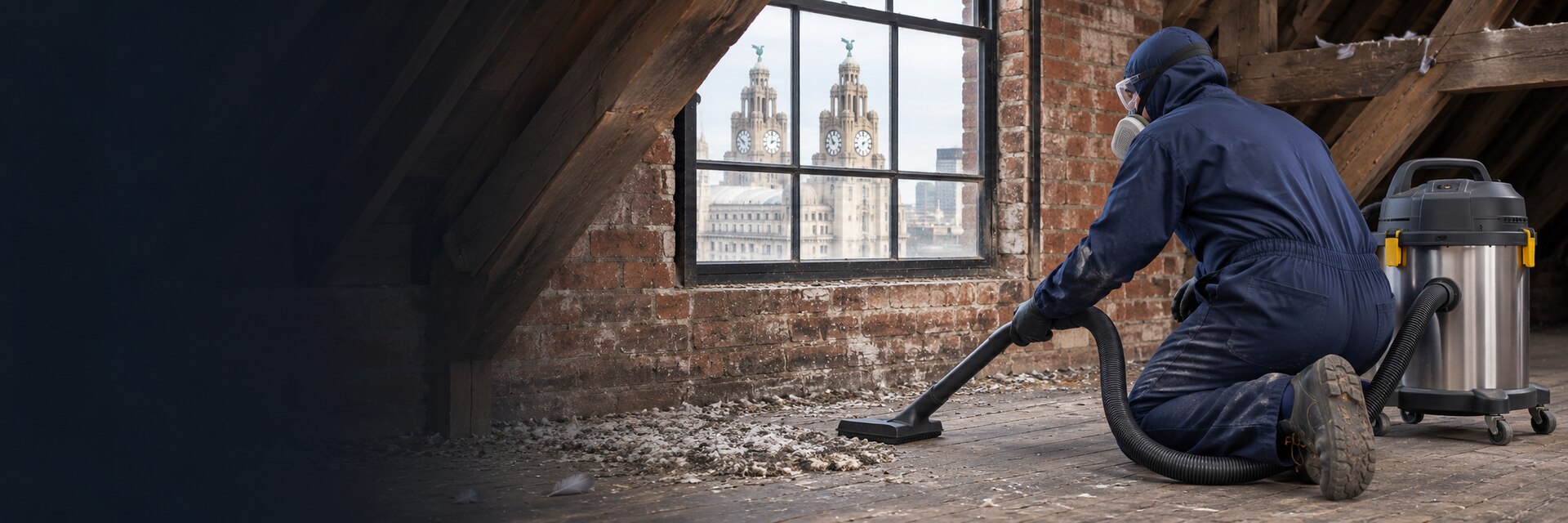
The Health and Safety Executive identifies a particular concern when significant deposits of bird droppings are disturbed during maintenance and refurbishment. A suitable work plan should limit exposure and prevent contaminated dust or droplets spreading. Dry sweeping and uncontrolled high-pressure washing are unsuitable responses to a heavily fouled area. The practical controls, including containment, controlled dampening and protective equipment, need to follow the assessment and the conditions of the work.
For a property owner, the immediate priority is to avoid disturbing an accumulation while the scope is being established. Keep people away from the affected space where this is practical, explain any essential access needs and tell other contractors what has been found. Cleaning equipment and materials should not be carried through an occupied building without a plan for the route and separation of affected items. These arrangements matter as much as the appearance of the final surface.
Balconies and terraces in Liverpool apartment buildings
A balcony near the waterfront may have a narrow route through an occupied flat, while a recessed terrace in a converted building may be accessible only through communal areas. Before work is arranged, identify the floor level, the entrance route and any lift booking or building management requirements. Tell us whether there are planters, outdoor furniture or stored belongings in the affected area, and explain which items should remain in place or be assessed separately.
Drainage also needs a defined approach. The quotation should describe how deposits and cleaning residues will be collected, rather than assume that everything can be washed towards a balcony outlet. Neighbouring balconies, glazing and pedestrian areas below may need protection. If the affected space adjoins a busy entrance or shared courtyard, discuss the timing with the person managing the building so access arrangements can be agreed before attendance.
Loft and roof-space cleaning after birds have gained entry
A loft enquiry should explain the entrance size, lighting, floor arrangements and the approximate area involved. Stored belongings, insulation and services may conceal deposits, making a photograph from the hatch insufficient for a fixed scope. Do not assume that a boarded section means the whole roof space can be walked on. The condition of the structure and a suitable means of access need to be considered independently of the cleaning requirement.
Cleaning a roof space does not close the opening that allowed birds to enter. A roofer or other appropriate contractor may need to inspect a missing tile, damaged detail or unprotected gap. Any removal of insulation, replacement of boarding or disposal of stored contents must be specifically discussed. If fresh activity continues after cleaning, the same area can become affected again, so the work should be sequenced with any necessary building or bird-management measures.
Commercial entrances, service yards and sheltered loading areas
Bird fouling can become a practical issue around retail canopies, delivery bays, covered walkways and equipment enclosures. In these settings, the cleaning programme must account for opening hours, deliveries and pedestrian movements. A business in the city centre may have a short loading window, while a unit in Speke or a warehouse towards the dock estate may need coordination with vehicle traffic and the person controlling access to the premises.
Provide a simple description of the operational constraints alongside photographs. Explain which doors must remain available, whether staff use the affected route and whether goods are stored nearby. A clean should not be booked on the assumption that an area can be closed if the business has not agreed that closure. Where work above an entrance or vehicle route is involved, the exclusion arrangements and access equipment need to be part of the proposed specification.
Protecting brick, stone, metal and decorative finishes
Removing deposits and restoring the underlying finish are separate objectives. Historic masonry, painted railings, porous paving and coated panels need an approach suited to their condition. An affected surface may retain discolouration after the removable material has been cleared. Where treatment might alter the colour or texture, a trial area and a realistic discussion of the expected result are more useful than a general promise of complete stain removal.
For older buildings around the Georgian Quarter or converted premises in the Baltic Triangle, tell us about known repairs, previous coatings and any specialist maintenance instructions. Location does not identify the material by itself, so clear photographs and existing records are helpful. If a finish is friable, cracked or otherwise unstable, the cleaning scope may need to be reduced or postponed until the appropriate professional has assessed the underlying condition.
Agreeing what happens to contents and collected material
A cleaning instruction should identify which contents can be moved, which should be retained and which items are being considered for disposal. Furniture, stored documents and equipment do not become waste simply because they are near bird fouling. Nominate one person who can make decisions about belongings and communicate any restriction before the work starts. Where a property is managed for someone else, clarify that authority at the enquiry stage.
The quotation should also describe any agreed collection and removal of affected material, including the limits of the quantity and the route out of the building. Ask what records will be supplied where waste removal is included. Cleaning, transporting waste and replacing damaged contents are different tasks, and each needs to be identified accurately. A significant change in concealed conditions should be discussed before the team proceeds beyond the agreed work.
Preparing the building without spreading the problem
Useful preparation starts with information. Provide the full postcode, a contact who can open the premises, the location of water and electricity if required, and details of shared access. Explain whether vulnerable surfaces or valuable items are near the affected area. There is no benefit in moving contaminated furniture through clean rooms before an assessment if that movement creates a second cleaning problem elsewhere in the property.
If the building remains occupied, discuss a practical boundary between the work area and normal activity. Tell us about pets, deliveries and any unavoidable use of the entrance. Where several contractors are involved, identify the order of attendance and who will confirm that an area is ready. A short written scope can prevent misunderstandings about moving contents, obtaining permissions and restoring access at the end of the intervention.
How a pigeon fouling removal quotation is put together
The main pricing factors include the area, the depth and spread of deposits, access, the sensitivity of the surfaces and any agreed contents or waste handling. Work at height or inside a restricted roof space can have very different preparation requirements from an open ground-level courtyard. A quotation based only on square metres can therefore be misleading if it does not explain the assumptions behind the proposed method and working time.
When comparing quotations, check whether they cover the same surfaces and the same access arrangements. Ask whether testing, protection, collection of residues and a final review are included. State any deadline and the reason for it, such as a new tenancy or contractor handover. Availability, price and the final scope should be confirmed after assessment, with optional repairs or prevention measures identified separately rather than implied by the cleaning description.
Liverpool and Merseyside locations discussed at the first enquiry
We discuss pigeon guano cleaning enquiries across Liverpool, including Vauxhall, Everton, Anfield, Kirkdale, Toxteth, Wavertree, Aigburth, Mossley Hill, Childwall and Woolton. For waterfront apartments, city-centre businesses and properties around the Baltic Triangle, access and building management arrangements can be especially useful to explain. The condition of the property determines the work; a neighbourhood name alone does not establish the severity or type of contamination.
For Bootle, Crosby, Huyton, Kirkby, Prescot and surrounding Merseyside locations, include the complete postcode so attendance can be considered accurately. Work across the Mersey should also be described with the address clearly stated. If you manage several premises, send a separate location and scope for each one, since combining very different buildings into a single description can hide differences in access, surface condition and the amount of material involved.
Reviewing the result and planning the next maintenance step
At handover, review the agreed surfaces and the areas from which deposits were removed. Discuss any residual staining, damaged finish or inaccessible void while its position is clear. Photographs can help record the agreed scope, but they should not be treated as proof that every hidden cavity has been cleaned. If further building work is needed, retain the cleaning specification so the next contractor understands what has already been addressed.
The most useful follow-up is to establish whether the source of repeated fouling has been considered. Cleaning and bird deterrent installation should not be confused, and any proposal affecting active nests requires appropriate specialist advice. For routine upkeep after a substantial clean, agree who will inspect the area and report renewed deposits. A planned review is more reliable than assuming that one intervention permanently prevents birds returning to a sheltered location.
Questions about arranging pigeon guano removal
Can you assess the work from photographs? Photographs can support an initial discussion, especially when they show the whole affected area and its access. They may not establish the condition of a loft, concealed deposits or a fragile finish, so a further assessment can be necessary before a fixed quotation is confirmed.
Does the clean include proofing the building against birds? Only if that work is explicitly assessed and agreed. Cleaning removes the specified deposits; closing openings, repairing fabric and installing suitable deterrents are separate tasks that may need another contractor and different access arrangements.
Can the premises stay occupied? That depends on the position of the affected area and the work required. Tell us which routes and rooms must remain usable. The proposed programme should explain any temporary restrictions rather than leave them to be discovered on the day.
Send NOVA CLEAN Liverpool your postcode, photographs taken safely and a description of the affected surfaces. We will discuss the assessment, access and the scope needed for a clear pigeon guano removal quotation.
Discuss your Liverpool cleaning project
Send your postcode, the affected areas and your access requirements for an assessment and a detailed quotation.