Nova Clean Liverpool
Car park cleaning
Cleaning for parking bays, ramps and pedestrian routes at managed sites.
Car park cleaning in Liverpool for managed sites, commercial premises and residential developments
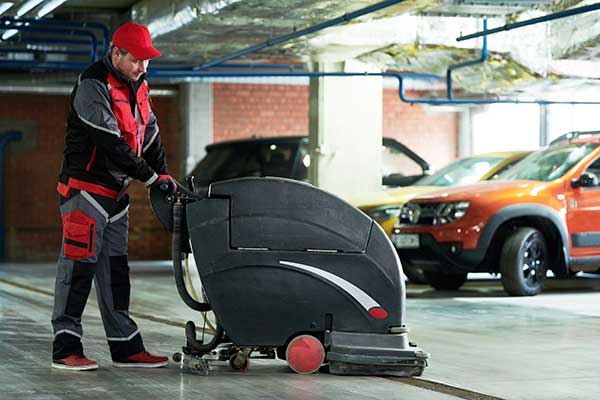
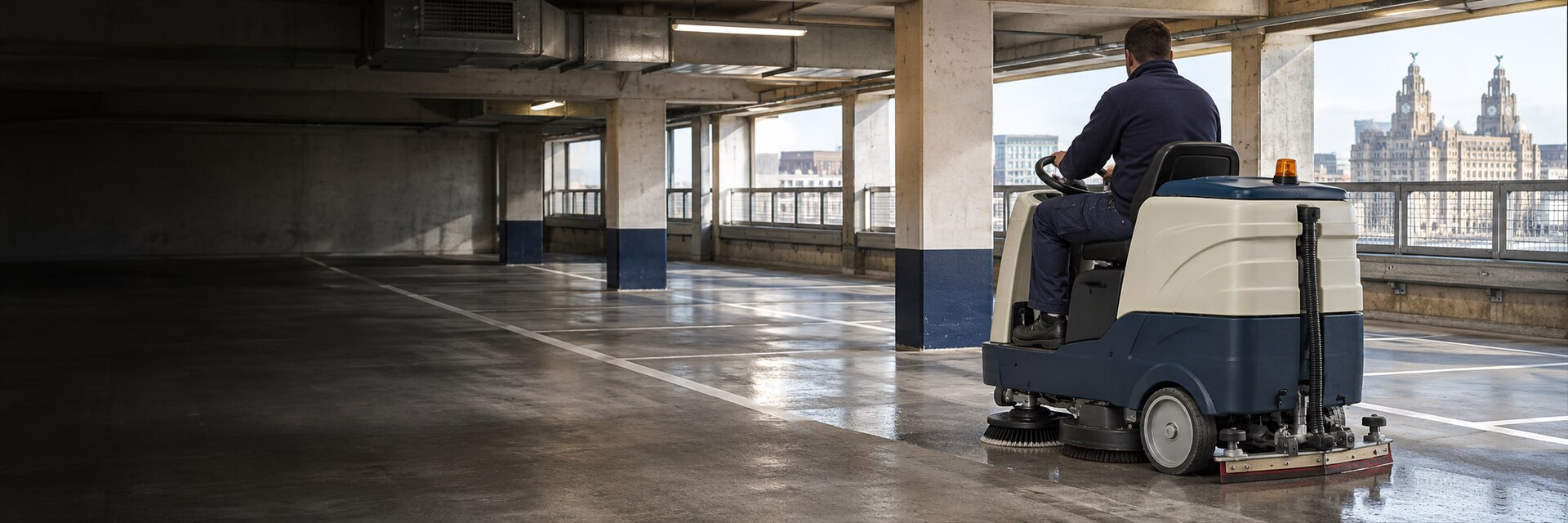
Walk through a car park and the work tends to reveal itself along routes rather than evenly across the surface. The turning corner nearest the entrance can hold grit and tracked dirt. The floor near a stair may show the effect of pedestrian traffic and water carried in on shoes. Individual bays can have old marks beneath stationary vehicles, while a sheltered perimeter may collect loose material that never reaches the main lane. Nova Clean Liverpool assesses car parks by surface, condition and how they are used. We agree the cleaning zones with the premises manager and consider when vehicles and people can be kept clear of each area.
When you ask for a car park cleaning quote, show the entrance, exit, ramps, pedestrian access and any areas that have to remain open. Give the address and describe the site, particularly if it is underground, gated, shared or on several levels. A marked plan and current photographs can identify both the normal routes and the sections that need the most attention. Explain whether the brief concerns routine build-up, an inspection before handover or a particular area affected by deposits.
Define the working area and what belongs in the clean
A site may have painted bays, traffic lanes, pedestrian walkways, stairs, lift approaches and a route where delivery drivers unload. Each can gather different soil and need a different inspection. Agree which areas form the initial scope and who manages the boundaries between the car park, the public pavement and the building. Consider whether loose debris, accessible edges and the base of columns need attention. If the quote should include spaces beside doors, barriers or loading bays, mark them rather than assuming they are part of the open parking area.
On a large site, identify the sections that can receive a normal clean and any areas that need individual assessment. Stains in a few bays may take a different approach from regular floor dirt. Wheel stops, cable covers, drainage channels, service cabinets and signage can affect what is reachable and how work can pass around particular points. A landlord may want one approach for the main surface and another for a managed access route. If the brief also includes the building entrance or stair core, discuss our building deep cleaning service as a separate scope.
Plan the visit around vehicles, pedestrians, loading and safe access
The practical release plan is an essential part of the job. Ask who controls the barrier or gate, how drivers will learn which bays are affected and when the first part can be closed. Where there are separate routes, the premises manager may be able to agree staged closures. An underground garage with a single route requires a different conversation from a surface car park with several access points. Establish how deliveries and emergency access will be managed, and confirm who can make changes on the day if a vehicle is still in an area due to be cleaned.
Keep the pedestrian route in the plan from the beginning. People may cross a car park to get from the lifts to the street even when few vehicles are moving. Accessible bays, cycle storage and doors that open onto a lane should be included in the discussion. The team planning the visit should understand what will be required to keep users clear of active work and when an area may be reopened. Tell us if the garage or site stays in use all day and which of its routes can actually be released.
Check the construction of the surface, markings and coatings
External car parks commonly use asphalt, concrete or paving. Covered or multi-storey sites may have an applied finish, a protective system and painted lines on the same level. Give us the installation or care information when it is available. A surface that appears to be bare concrete can have a finish that limits what may be used. A newer lane and an older area can also be different. We assess visible cracks, damaged markings, edges and areas of local wear before selecting a method and agreeing what the cleaned surface is likely to look like afterwards.
Different issues can be present at points only a short distance apart. The floor beneath a delivery approach may carry grit, while a blue-painted zone or new line marking may be more sensitive to treatment. Send pictures of both the broad area and the transitions. If there is lifting, surface damage, movement or a sign that water is entering where it should not, tell the premises manager and ask for assessment as appropriate. Cleaning does not repair a defective floor or renew protective materials. The quote can distinguish the work from repairs, repainting or other maintenance.
Identify the origin of obvious marks and keep spill issues separate
Older oil marks, tyre scuffs, silt and moisture tracks can look similar until you understand the history of the area. Describe any incident you know about and identify marks that have been treated before. On porous areas, staining may remain after removable residue is reduced. The expected result also depends on coatings, surface depth and age. A test area is useful when the finish is uncertain or the manager needs an agreed reference for the rest of the work. Do not judge the result by a patch that still has a different moisture level from the neighbouring area.
Report an active leak, chemical spill or unknown substance to the person responsible for the premises before booking general cleaning. It can require a separate response and should be assessed by the appropriate specialists. For ongoing problems, ask whether water or residue is still entering the car park from another source. If the site has a specific need involving water ingress, our water damage cleaning page explains the information that can help define a separate scope. Include details of drainage only where you can confirm them with the manager or owner.
Assess drainage and the equipment route before agreeing the method
Some sites mainly need loose material removed and local treatment around edges. Other sections may warrant a wet cleaning method where the finish and management arrangements allow it. Confirm drains, outfalls and any site-specific controls with the party responsible for the car park. If water is part of the proposed work, agree how it will be managed and what will be done if an area is slow to drain. Some ramps and low points can behave differently from a flat central section. Let us know about persistent puddles, previous issues or drainage points that are currently out of service.
Equipment logistics can be as important as cleaning area. Tell us the access width and any height or loading limits that apply. Mark sharp turns, shared access corridors and points where barriers or bollards affect progress. Ask whom to contact if the team needs access to an agreed service area. If existing traffic markings or signs must stay visible throughout the work, identify that in the scope. Set expectations about the condition the site should be in before a closed area is made available to ordinary users again.
Examples of car park cleaning requirements around Liverpool
A managed residential garage near the waterfront
In a development around the docks or another part of the city centre, a garage may stay occupied even during the quietest part of the day. The managing agent can put together a list of zones and a method for communicating with residents. A narrow ramp and shared pedestrian door may affect the order in which work can be carried out. Agree which bays are expected to be vacant and how any last vehicles will be handled without losing the rest of the planned visit. Note nearby plant rooms, storage and other doors with restricted access.
A customer car park beside a shop or retail park
At a retail unit in Speke, Aintree or Edge Lane, the main arrival route can be busiest just before and after a delivery or opening. A working window may fit before trading or after many vehicles have left. Discuss the location of the bays nearest the entrance, where staff vehicles can go and who will coordinate any closure. If the premises operator is preparing both inside and outside areas for the same reopening, consider our retail deep cleaning service for internal areas separately from the outside work.
A service yard or office car park with several modes of use
An office, small industrial site or service area around Kirkdale, Bootle or an employment district may receive staff cars, visitors and deliveries in different parts of the day. Use an actual movement plan to show where lorries, cars and pedestrians intersect. A bay by a loading door may need to be treated at a different time from a row of office spaces. Confirm the contact that can reach the facilities team and agree checks for the reopening of each area. If the brief also involves internal space, our office deep cleaning service can be discussed as part of the wider project.
What changes the cost of a car park cleaning visit?
Price reflects more than the number of bays. Surface material, level of deposits, open area and edge detail, access, equipment routes and working hours can all affect the actual work. A free-standing car park on one level can be relatively straightforward while a much smaller garage needs a careful release plan, height checks and individual stages. Some sites need separate arrangements for debris, heavy staining or water management. A fixed deadline will also matter if the work must be split into several short periods.
Compare quotes on the basis of a site plan, clearly named work areas and the current condition of the relevant surfaces. Confirm which stains, perimeter details and attention to drainage are included. Ask what depends on a site assessment, how missed areas will be reported and who can authorise any change to access. An organised handover can record the condition of the completed sections, areas still waiting to be released and issues that need to be passed to a maintenance team.
Inspect the cleaned routes before returning them to normal use
Agree who will review the work when the manager reopens a lane or row of bays. Look at the entrance and pedestrian paths as well as the area visible from a vehicle. Note whether any obstructions prevented work or an existing condition has become more obvious. On a large site, record each area on the plan and identify where work or repairs remain. A handover by zone gives the manager a clear record when arranging subsequent work at a different level or when a shared area is opened in stages.
Questions for the person booking the car park clean
Can an active site be cleaned in sections?
A staged plan can sometimes be agreed, based on the layout, access control and where people or vehicles need to travel. Give us a plan showing how parts of the site can be released independently. Tell us who will arrange notices and closures and what happens if a planned space is still occupied. We can discuss the options once the actual routes are understood.
What if I only need the entrance lanes or a row of bays?
Give us clear boundaries, including any turns, columns or transitions where the work stops. A focused visit can be useful for a worn or particularly affected area. Tell us if you need a visual inspection or spot assessment in another location at the same time. A labelled photograph or drawing allows all parties to see the agreed scope.
Do you assess car parks across Merseyside?
Yes, enquiries can be considered across Liverpool and nearby Merseyside locations. Give the exact postcode, the site type, number of levels, approximate area and access arrangements, including the person who will meet the team. For covered sites, provide available headroom and other equipment limits if known.
Get a Liverpool car park cleaning quote
Send the postcode, an outline of the site and photographs of the surfaces, access and main concerns. Tell us when each area can be released, where the site can be entered and when the premises manager needs it back in use.